Lead Paint Encapsulation and Enclosure in Cedar Park

Typical cost in Cedar Park

  • One room's trim, doors and walls sealed, about 300 sq ft$1,100 – $3,000+
  • Several rooms, about 1,000 sq ft sealed$3,600 – $10,000+
  • One room's walls covered with new drywall, about 350 sq ft$2,500 – $5,600+

Not every lead paint job means taking the paint off. Encapsulation bonds a liquid coating made for the purpose over paint that is still firmly attached. Enclosure covers the painted surface with a rigid barrier, such as drywall over a wall or new cladding over old trim, fastened mechanically rather than glued to the paint.

Both fit easily into a remodel, when the walls are being finished anyway. Both also leave lead in the house, and any later work has to allow for that. We do this work in Cedar Park, Leander and Lakeway.

Ask about encapsulation
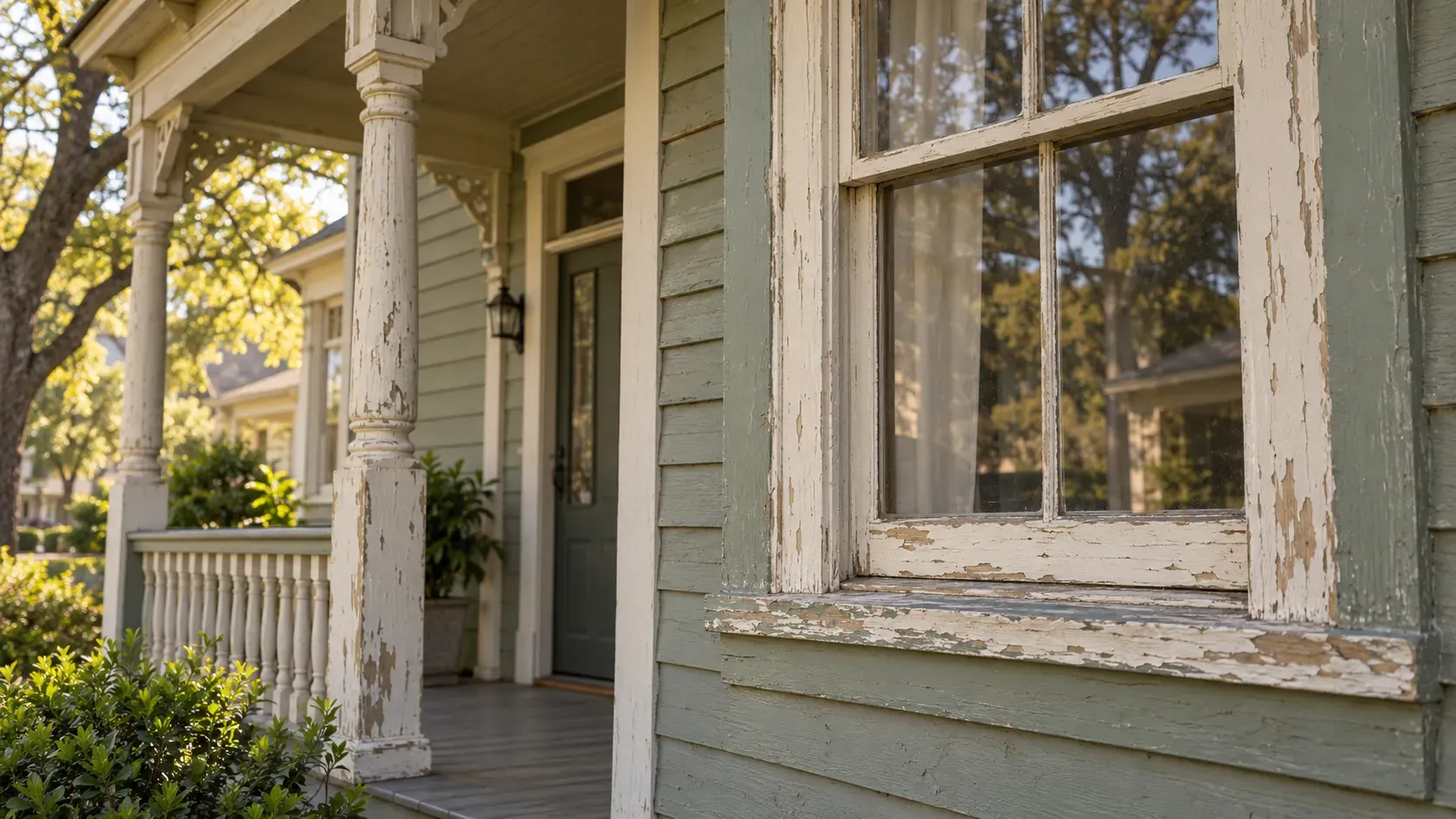
Peeling paint on the sill and frame of a wood window next to a porch column on an older house

Barrier treatments

Encapsulant coatings

An encapsulant only works while the paint underneath stays put. The surface has to be suitable for it to begin with, and it needs to be monitored and maintained afterward. Flaking, blistered or poorly bonded paint would pull the coating away with it, so we repair or remove those patches before applying anything.

Enclosure during a remodel

When a room in a pre-1978 house is being redone anyway, new drywall or paneling over the old painted walls can be simpler than stripping them. We screw or nail the new layer into the framing and seal the seams, and the old paint stays behind it. Installing an enclosure can still disturb paint at outlets, trim and fastener holes, so we follow the same lead-safe practices as on any other remodel.

Exterior encapsulation in sun exposure

Outside, an encapsulant coating faces the same heat and weather as any paint. On sound trim or siding it can be a reasonable choice, but it needs a look every so often, and any area that starts to crack or lift needs attention before it sheds chips. An exterior enclosure, such as new material over old trim, avoids the coating question, but it has to be built so water cannot collect behind it.

When to choose removal instead

Removal or replacement is the better route for paint that is already deteriorating, and for surfaces that rub or get struck: window sashes sliding in their tracks, door edges, stair treads, porch rails. A coating on those parts can wear through, and a cover can make them unusable. Here the barrier approach gives way to stripping or new parts.

Future work on encapsulated surfaces

A barrier does not take a house out of the lead rules. Sanding, cutting into or tearing out an encapsulated or enclosed surface later is still renovation of lead-based paint in a pre-1978 home, so whoever does that work needs to know the paint is there. Keep a record of which surfaces were treated, with what product and when, and file it with any inspection report. Pass it on when you sell: sellers of pre-1978 homes must disclose known lead-based paint and the reports they have.

If the walls you want enclosed are part of a bigger project, see lead-safe remodeling for how we contain the work. Exterior trim too worn to seal is a job for exterior lead paint removal. For anything else, see our other lead paint services.

Request a free lead paint removal quote

Name the walls or trim you would like sealed or covered, describe how the paint looks now, and say whether the work ties into a remodel. The street address and approximate build year let us look up the property. We'll get back to you soon with an estimate or any questions we have. Estimates are free and there's no obligation.

Call (737) 520-3701

Call (737) 520-3701